Maximizing Curb Appeal: Small Changes That Actually Seal the Deal

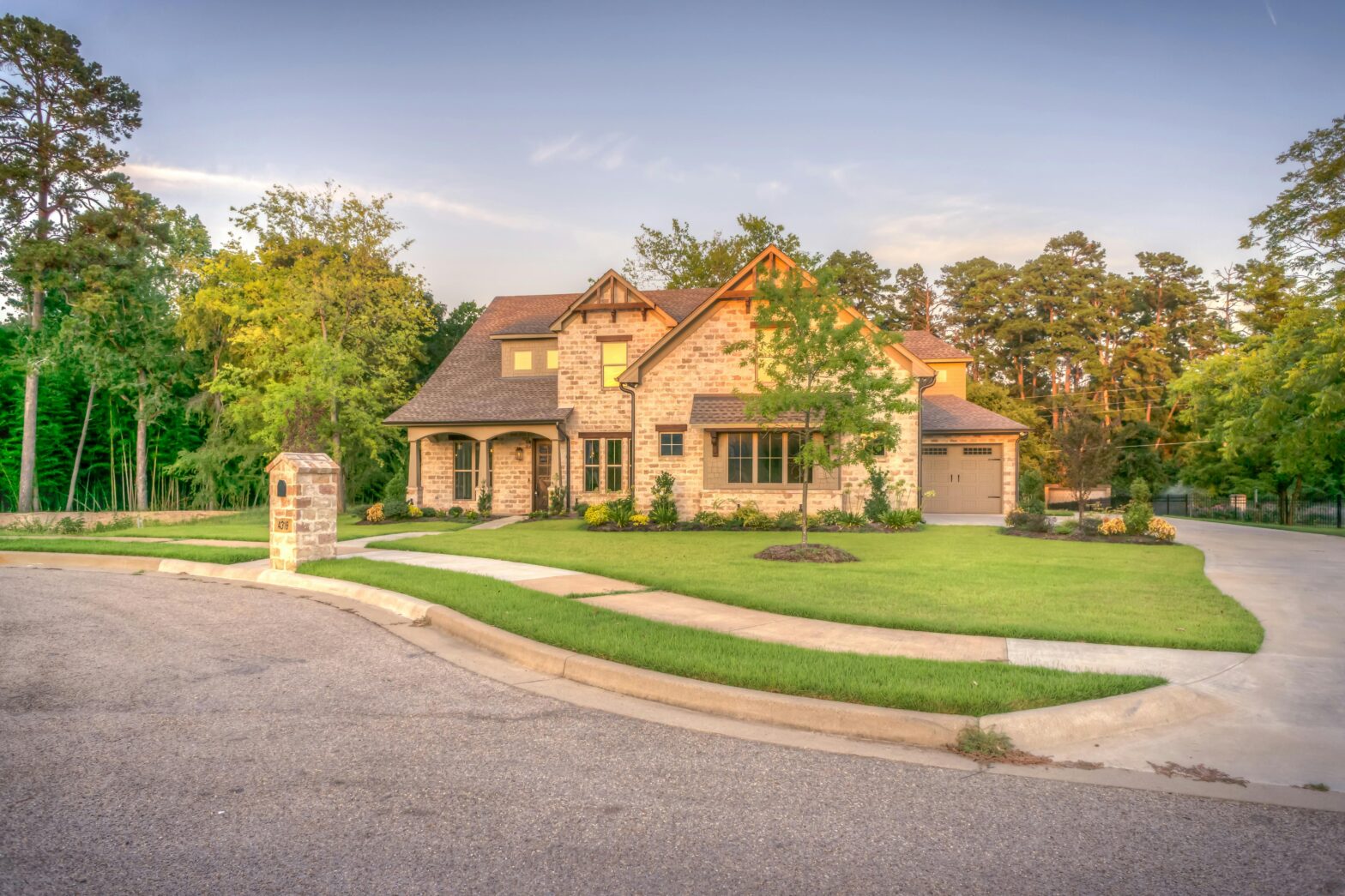
Buyers don’t fall in love with the inside of a house first. They fall in love pulling up to the curb. That moment where they pause, take in the yard, the walkway, the front door. That five seconds where they decide whether this place feels like home or not. Curb appeal isn’t some HGTV buzzword. It’s the silent dealmaker. And the good news? It doesn’t take a massive budget to impress.

Think Like a Landscaper, Not a Gardener

Nobody’s expecting a botanical garden. But patchy grass, overgrown shrubs, and a sad flowerbed? Not helping. Trimmed hedges, fresh mulch, and a couple of eye-catching plants near the entry do more than you think. Stick with greenery that thrives locally and you won’t be out there watering like it’s your part-time job. Even a single potted plant with color near the door grabs attention. The goal: clean, intentional, welcoming.

Make the Exterior Glow Without a Power Bill

Ever tried showing a home after sunset? Spooky. A few solar path lights change the whole vibe. Uplight a tree or spotlight the house number. Buyers see a home that looks cared for and safe. Motion sensors near entry points? Smart and practical. It also subtly says, “We thought of everything.”

solar lights outside the house

Your Front Door Should Whisper Luxury, Not Neglect

Your front door speaks before you do. Peeling paint and rusty knobs? Not charming. Replace the hardware. Paint the door something bold but classy—navy, deep green, even black. Add a new door mat that isn’t sun-faded with curled edges. House numbers should match the door style, not look like they were ordered from three different websites ten years apart. It all tells a story. Tell the right one.

This Is Where Professional Painting Services Change Everything

Weirdly, most sellers skip this. But a full exterior repaint? That’s the upgrade buyers actually notice. Especially when the paint outside is looking tired, faded, or uneven. New paint can make a 90s home feel like it was built yesterday. It’s not about going trendy. It’s about clean, crisp, and consistent.
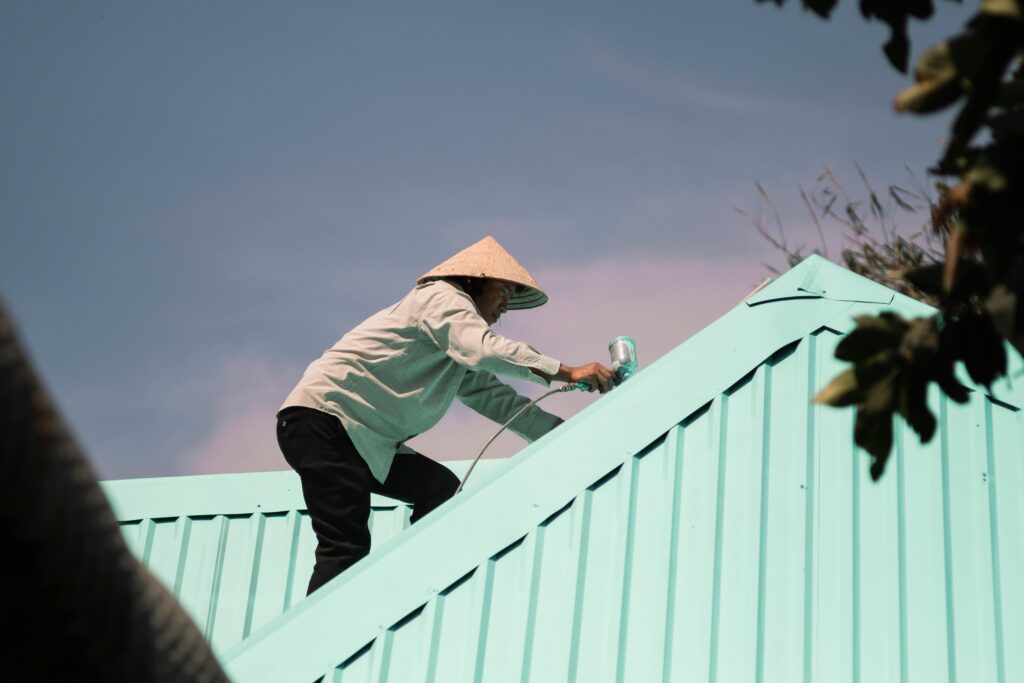
This is where professional painting services matter. No drips on the driveway, no streaky trim. The finish looks polished. It adds thousands in perceived value. Choose timeless colors. Earthy tones, soft grays, maybe even a white with contrasting trim. Avoid wild shades unless you’re planning on living there forever. Which you’re probably not, if you’re reading this.

If the Driveway Looks Sad, So Will Everything Else

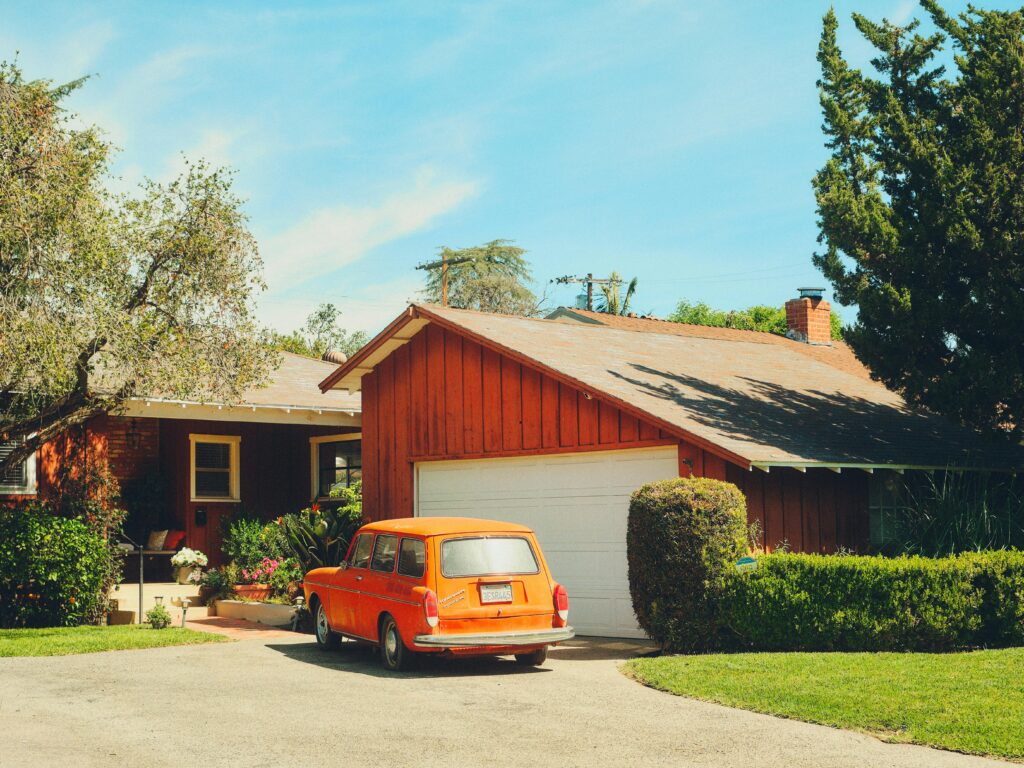
Here’s the thing. A driveway full of cracks screams neglect. A walkway with weeds growing between the bricks? Gross. Power wash the whole thing. Patch cracks with a concrete filler that matches. Edge the grass so it doesn’t crawl across like a bad haircut. These tiny changes make buyers feel like they’re stepping into something well-kept. It’s about setting expectations before they ever touch the doorknob.
Pretend You’re the Buyer and Do the Ten-Minute Test

Walk outside. Cross the street. Look at your house like you’ve never seen it before. Notice what’s clean and what’s cluttered. What pops and what fades into the background. Be ruthless. If something looks off, fix it or remove it.

Pick One Thing and Tackle It This Weekend

Pick one thing this weekend. One plant, one gallon of paint, one light fixture. The point is to start. Buyers won’t always know why they like a house. But they’ll know it felt right. Your curb did all the talking.
Budget-Friendly DIY Projects to Instantly Add Value to Your Prattville Home

Owning a home feels great until you realize it looks tired. Cabinets that belong in a different decade. Floors that have seen too much. A front door that tells visitors to turn around. Full renovations cost way too much, but small upgrades? Those change everything.

Buyers and renters notice the little things. A home that looks modern and well-kept attracts attention. A home that looks like a project gets ignored. The good news? A few budget-friendly fixes make a house look newer, cleaner, and way more expensive. No contractor needed.

A Front Door That Doesn’t Look Defeated

First impressions happen fast. A faded, chipped front door makes a house feel neglected before anyone even steps inside. A bold paint color changes that in an afternoon. Deep blue, rich red, or even sleek black stands out in the best way. A gallon of exterior paint runs about $20, and the impact is huge.

New hardware helps too. Matte black or brushed nickel handles look sharp and modern. House numbers should be clean and stylish, not rusted and crooked. A couple of planters next to the door pull the whole look together. Small effort, big difference.

Lighting Fixes Everything

Bad lighting kills a space. A room can be spotless, but if it feels dark and yellow, it still looks sad. LED bulbs brighten things up instantly and cut down the electric bill. A modern ceiling fixture costs under $100 and takes less than an hour to install.

Kitchens need extra attention. Battery-powered LED strips under cabinets make the space feel custom. They cost less than $30 and make a bigger difference than most people expect. Bright homes feel fresh. Dim homes feel depressing.

Paint. The Ultimate Cheat Code

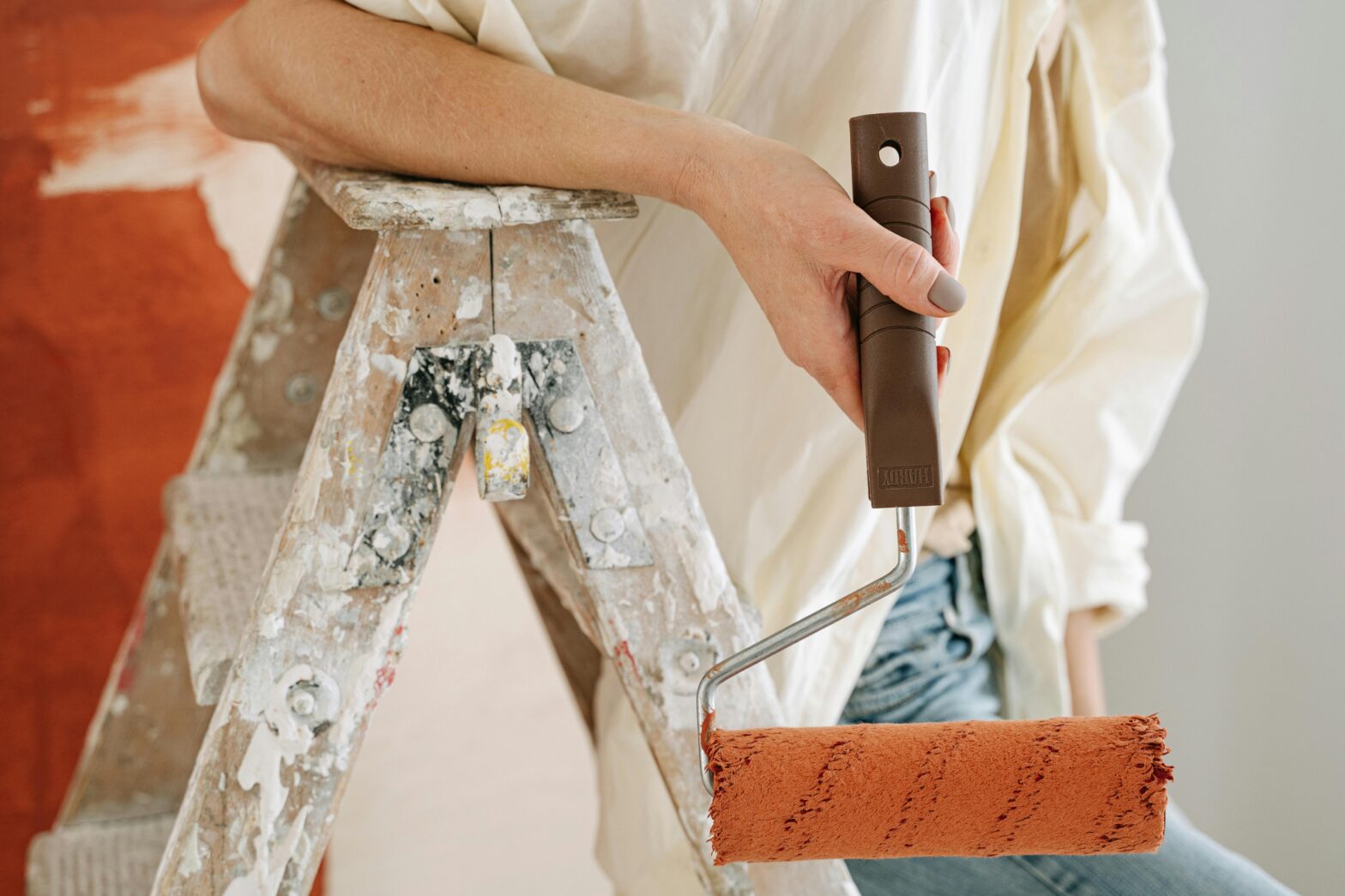
Paint changes everything. It hides old scuffs, fixes bad color choices, and makes a home feel brand new. Prattville buyers like warm neutrals, soft grays, and muted blues. Bold colors age fast. That deep red accent wall might have been a good idea once, but now it just looks like work.

A gallon of quality paint runs around $40. Painter’s tape helps keep lines crisp. Wobbly edges scream “bad DIY job,” and no one wants that.

Kitchens Sell Homes. No Full Remodel Needed

People judge homes by the kitchen. No one wants to cook in a space that feels outdated, but a few smart updates fix that fast.

  • Cabinets looking rough? Paint them. White, deep green, or navy add instant charm.
  • Old handles? Swap them. Matte black or brushed gold looks expensive without the price tag.
  • No backsplash? Peel-and-stick tiles cost under $50 and add contrast.
  • Countertops a mess? Declutter, scrub, and fake it till you make it.

Deep cleaning matters too. Grimy appliances and stained grout make even a nice kitchen look bad. A little effort goes a long way.

Bathrooms Need More Than a Shower Curtain

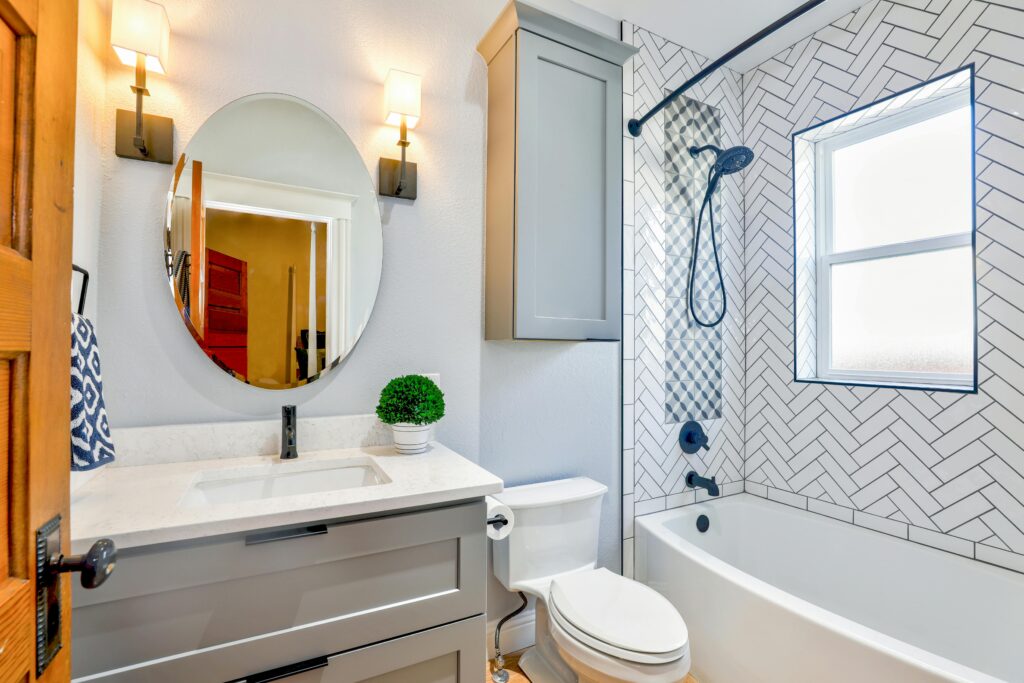
A dated bathroom makes a home feel old. An updated one adds instant value. That plain frameless mirror? Swapping it for a framed one under $100 makes a huge difference. A vanity that looks worn-out? Paint it, add new knobs, and it looks brand new.

A rainfall showerhead costs around $40 and takes a bathroom from basic to spa-like. Grout stains make a bathroom look older than it is. A grout pen fixes that in minutes. Floating shelves add storage without making the space feel cramped.

Floors Take a Beating. Fix Them

Floors show their age fast. Carpets trap dirt, odors, and stains. Deep cleaning helps, but sometimes replacement is the better move. Luxury vinyl plank flooring costs about $2 per square foot, looks like hardwood, and holds up against water and wear.

Old tile makes a space feel stuck in time. Peel-and-stick flooring updates it instantly. Hardwood floors creak? Baby powder between the boards stops the noise. Fresh floors make the whole house feel newer.

A Messy Yard Looks Like a Red Flag

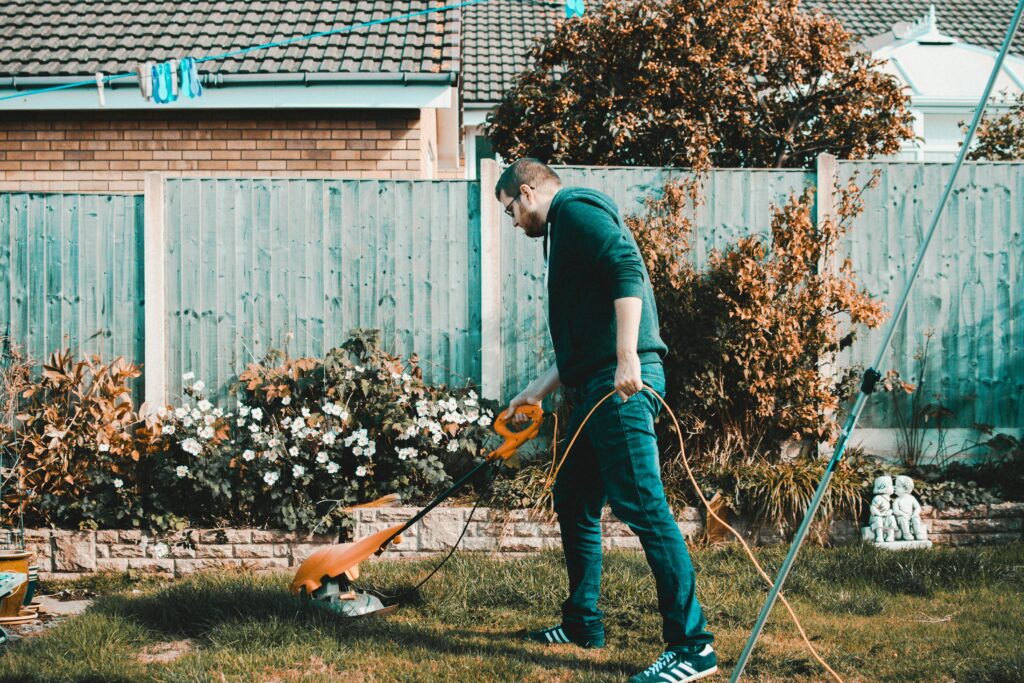
Curb appeal matters. An overgrown lawn and neglected bushes make buyers assume the inside looks worse. Mowing, edging, and trimming cost nothing but time. Native plants like knockout roses, lantana, and daylilies add color without constant upkeep.

Fresh mulch keeps everything looking clean. Solar-powered path lights cost around $30 and add warmth. Pressure washing the driveway, porch, and sidewalks makes everything look fresh. Renting a pressure washer for a day costs about $50, but the difference is huge. A well-kept yard makes buyers think the whole house has been taken care of.

Small Fixes. Big Payoff

The little things make a home feel polished. Yellowed light switch covers should be swapped out. Old brass doorknobs should be replaced with modern finishes. Baseboards collect scuffs, so a fresh coat of paint or a Magic Eraser works wonders. A smart thermostat adds a high-tech touch and helps with energy savings.

Home improvements do not have to be expensive or overwhelming. A fresh front door, better lighting, or a simple coat of paint changes everything. Small updates add up fast. Buyers notice. Renters notice. A little effort makes a huge difference.

Short-Term Rentals vs. Long-Term Leases: Which One Makes Sense in Prattville?

Owning a rental sounds like a dream. Buy a house, list it, and let the money roll in. Then reality shows up. Guests break things. Tenants ghost on rent. The fridge dies at the worst possible time. Suddenly, deciding between a short-term rental and a long-term lease feels like picking between two very different kinds of chaos.

Both make money. Both come with headaches. Some landlords love the fast cash of short-term rentals. Others refuse to deal with that revolving door of strangers. Prattville has demand for both, but picking the wrong one can mean wasted money, stress, and way too many phone calls about “the Wi-Fi not working.”

So… What’s the Actual Difference?

Short-term rentals get listed on Airbnb, VRBO, and other vacation rental sites. Guests stay for a few nights or a couple of weeks. It’s like running a tiny hotel. Long-term leases mean locking in tenants for six months, a year, or more. They settle in. They decorate. They call it home.

One brings in higher nightly rates but deals with gaps between bookings. The other guarantees rent every month but locks landlords into a commitment. One requires constant management. The other mostly runs itself—until something breaks or the tenant suddenly “forgets” rent day exists.

Prattville sits in a unique spot. Right next to Montgomery and Maxwell Air Force Base, the town gets all kinds of renters. Tourists. Military families. Business travelers. Local professionals looking for a place to stay long-term. The demand exists for both rental types, but which one actually makes sense depends on how much work a landlord wants to do.

Who Actually Makes More Money?

Short-term rentals charge more per night, but that only works if bookings stay consistent. A place listed at $150 per night sounds like easy money until it only gets booked 15 nights a month. That’s $2,250 before expenses. A long-term tenant paying $1,800 every month suddenly looks a whole lot better.

And those expenses? They add up. Short-term rentals need deep cleaning between guests, stocked kitchens, fresh linens, and all those little extras like coffee, soap, and toilet paper. Platforms like Airbnb also take a cut.

Long-term tenants handle their own groceries and toiletries. They pay rent, usually cover utilities, and don’t expect a cute little welcome basket when they move in. Less effort. More stability.

How Much of a Headache Does This Become?

Short-term rentals mean a lot of guest turnover. New people. New messes. Constant bookings, cleaning, and maintenance. Some guests treat a place with respect. Others act like they’ve never seen a house before.

Long-term tenants move in, get comfortable, and mostly take care of themselves. No daily cleaning. No late-night “How does the oven work?” texts. But if they stop paying or wreck the place, getting them out isn’t quick. Evictions take time.

What About the Wear and Tear?

Short-term rentals see a lot of foot traffic. Guests bring luggage. They scuff floors. They spill wine. But because the place gets cleaned regularly, it stays fresh.

Long-term tenants move in their furniture, hang up pictures, and live life. Less daily damage, but if something goes wrong, it might take months to notice. Also, short-term rentals need furniture, décor, and a fully stocked kitchen. That’s an upfront cost long-term rentals don’t have.

Rules, Laws, and Other Fun Surprises

Some cities go after short-term rentals with strict rules. Prattville doesn’t have major restrictions yet, but some HOAs do. Some neighborhoods ban short-term rentals completely.

Long-term rentals come with their own set of legal fun. Tenant laws protect renters, which means evicting someone isn’t a quick or easy process. A bad short-term guest leaves in a few days. A bad long-term tenant? That’s a whole different situation.

Who Even Rents These Places?

Short-term guests include business travelers, military personnel, and tourists. They come. They go. They don’t always follow house rules, but at least they leave.

Long-term tenants want stability. Families. Professionals. Students. They stick around, which means fewer vacancies but also more commitment.

Does It Stay Rented Year-Round?

Short-term rentals make serious cash in peak seasons. Football weekends, military relocations, and big events keep bookings steady. But slow months mean empty nights and slashed prices.

Long-term leases stay stable. Rent keeps coming in no matter what month it is. Finding tenants takes longer, but once they move in, they’re there for a while.

Which One Actually Makes Sense?

  • Go short-term if: You want high earning potential, don’t mind cleaning up after strangers, and like the idea of running a mini-hotel.
  • Go long-term if: You want stable rent, less daily work, and don’t want to worry about whether or not guests broke the coffee maker.
  • Mix it up if: You like the idea of short-term rentals during peak seasons and a long-term tenant the rest of the year.

Some landlords love the fast cash of short-term stays. Others prefer the “set it and forget it” style of long-term leases. The best choice depends on personal goals, property location, and patience level. One brings in more money. The other brings fewer surprises. Picking wrong means stress and regret. Picking right? That means rental income that actually feels worth it.